Six ways operators earn on NetOS. Which one is yours?
From a single café router to fibre across several sites, on the same platform.

Estate and compound WiFi
Sell WiFi to residents without a front desk.
- Who pays
- Residents
- What they buy
- Hourly, daily, weekly and monthly passes
- How they pay
- Mobile money on the portal
- What you earn
- Steady top-ups from the same households
An estate or compound hotspot lives or dies on how little you have to touch it. Residents want to connect and pay without finding you first.
A resident opens your branded portal, picks an hour, a day or a week, pays by mobile money, and is online before they have put their phone away.
Your MikroTik runs the hotspot; NetOS generates its configuration and keeps RADIUS checking every connection against a paid plan.
When a plan runs out the customer is disconnected, and when they pay again they are reconnected. You are not the one flipping a switch at 11pm.
You see active sessions, revenue and who is online from your phone, without walking round the compound.
What it runs on
- Branded captive portal, no staff needed to sell
- Plans with time or data limits
- Mobile money and cash collection
- Automatic disconnect on expiry, reconnect on payment
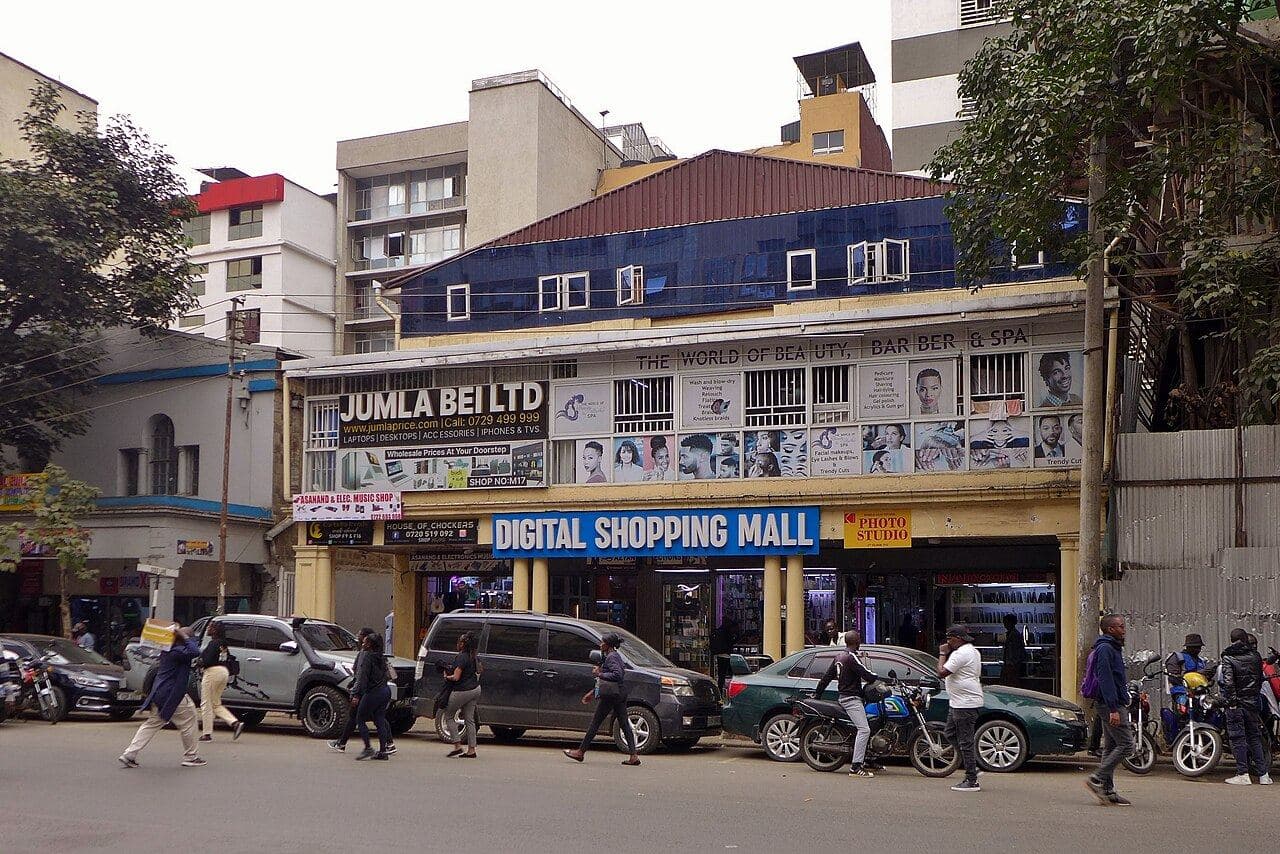
Shopping centres and malls
Turn foot traffic into paying WiFi customers.
- Who pays
- Shoppers and people passing through
- What they buy
- Short passes, from minutes to an afternoon
- How they pay
- Mobile money on the portal
- What you earn
- Volume: many first-time buyers a day
A shopping centre hotspot sees hundreds of different phones a day, most of them once. The portal has to do all the selling, because you cannot.
Your pricing and branding are the first thing a shopper sees when they connect: pick a pass, pay, get online.
Price a quick browse or a full afternoon, with a data cap that matches what you are willing to give at that price.
A go-live check tells you at setup whether your router is actually letting customers authenticate, so you hear it from NetOS rather than from an empty revenue day.
SMS and WhatsApp confirm payments, so you are not answering “did my payment go through?” all day.
What it runs on
- Branded captive portal for walk-in traffic
- Time- or data-limited passes
- Go-live check for your router
- Automatic payment confirmations by SMS and WhatsApp

Hostels and student housing
Plans that fit a student budget.
- Who pays
- Students
- What they buy
- Daily and weekly plans with a data cap
- How they pay
- Mobile money, no app to install
- What you earn
- Term-long cycles, a whole intake at once
Students want WiFi priced by the day or the week, not a monthly contract they cannot commit to, and they want it to work the moment they pay.
Set a price, a duration and a data cap that matches what a student will actually pay.
Add a whole block of tenants at once instead of one account at a time, which matters at the start of a new intake.
At move-out, expired accounts stop pulling bandwidth without you remembering to disable anyone.
Students already pay for everything by phone. WiFi works the same way, through the portal, with no separate app.
What it runs on
- Plans with time and data limits
- Bulk add for a new intake
- Mobile money through the captive portal
- Automatic expiry when a plan runs out
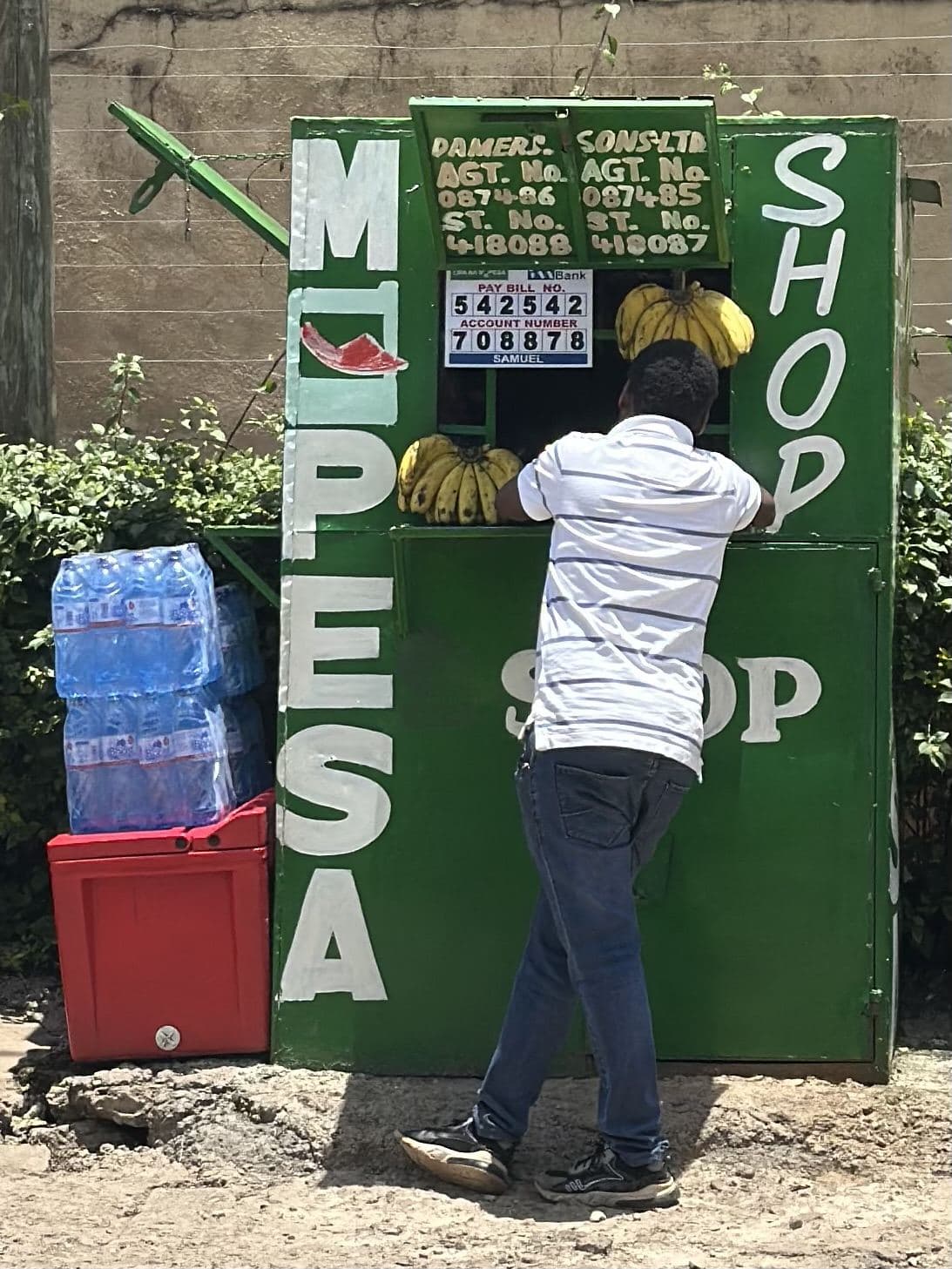
Cafés and kiosks
Sell an hour of WiFi without leaving the counter.
- Who pays
- Walk-in customers
- What they buy
- An hour or two on a voucher code
- How they pay
- Cash at the counter or mobile money
- What you earn
- Small tickets, many times a day
A café or kiosk hotspot is a small, simple business, and the WiFi should be too. A customer asks for the code, pays and connects.
Vouchers can be short and cheap, an hour or two, priced for someone who is only there for a coffee.
The portal carries your branding, so it looks like your shop offered it, not a third-party tool.
RADIUS checks every session, so a customer cannot stay online past their voucher just by staying in their seat.
One dashboard shows what the WiFi earned that day, next to everything else you track.
What it runs on
- Short, low-cost vouchers by time or data
- Branded captive portal
- Cash and mobile money
- Sessions that end on time, every time

Multi-site operators
Run several locations from one login.
- Who pays
- Customers across all your locations
- What they buy
- Plans priced per site
- How they pay
- Each site on its own portal
- What you earn
- Revenue you can compare site by site
Once you run more than one location, a second estate or a second kiosk, checking each one separately stops working.
Every site gets its own customers, pricing and captive portal branding under one account.
Staff get access scoped to what they need. Someone who sells vouchers does not need your payment settings.
Revenue and active customers roll up across every site, so you know which location earns without visiting each one.
A new site means registering a new router. The platform does not need rebuilding for you to grow.
What it runs on
- Many sites and NAS under one account
- Per-site branding and pricing
- Staff roles scoped per site
- Revenue for every site from one dashboard

Fixed lines and fibre
When a regular customer wants a line of their own.
- Who pays
- Shops, offices and homes
- What they buy
- Monthly PPPoE or fibre subscriptions
- How they pay
- Prepaid or postpaid, by mobile money or card
- What you earn
- Recurring monthly revenue
Some hotspot customers stop being occasional. The shop next door wants WiFi every day, not a voucher every day.
PPPoE runs alongside the hotspot on the same router and the same account, so a dedicated connection does not mean a second platform.
Fibre works the same way: provision the ONU from NetOS and bill the line like any other subscription.
The customer moves from daily passes to a monthly subscription; your billing, RADIUS and dashboard do not change.
Subscriptions renew and lapse on their own, the same way vouchers do. No due dates kept in a notebook.
What it runs on
- PPPoE alongside hotspot on one account
- ONU provisioning on Huawei and VSOL OLTs
- Prepaid and postpaid billing
- Automatic renewal and expiry
Photos from Wikimedia Commons.
See yours on the list?
These six are where most operators land. If yours isn’t one of them, tell us about it.